
For many struggling with addiction, outpatient programs aren’t enough to help them break destructive cycles. Inpatient rehab offers a fundamentally different approach, removing people from potentially triggering environments and providing round-the-clock professional support. This focused treatment provides the space and structure some people need to concentrate fully on getting better, without all the daily distractions or temptations.
The controlled setting of inpatient rehab allows for comprehensive care that addresses both physical dependence and psychological patterns. With medical supervision, personalized therapy, and built-in accountability, individuals can develop healthier coping mechanisms in a safe, substance-free space.
What is Inpatient Rehab?
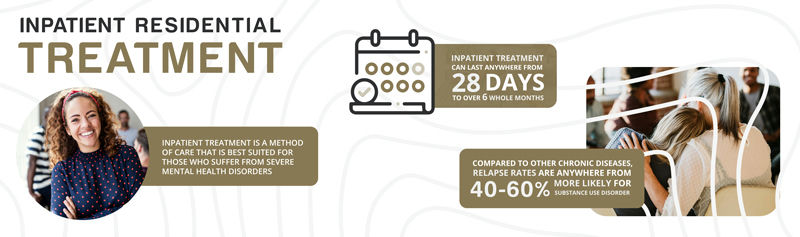
Inpatient rehabilitation offers a dedicated path to recovery by providing 24/7 medical and therapeutic support within a controlled facility. This differs from outpatient care, where individuals return home after treatment sessions. Inpatient rehabilitation provides a place for people to fully concentrate on their recovery without outside noise, temptations, or distractions.
While it requires a major commitment, inpatient rehab can be life-changing for those who need intensive care. The focused environment, combined with professional guidance, helps create a strong foundation for long-term recovery.
How Does Inpatient Rehab Work?
Residential rehabilitation centers provide a structured pathway to recovery through a combination of medical care, therapeutic interventions, and supportive services all within one residential setting. The benefits of inpatient rehab stem from its systematic approach, which guides individuals through each phase of their recovery.
Here’s how entering inpatient treatment typically unfolds:
- Admission and Assessment: The process starts with a full evaluation of physical health, addiction severity, and mental health needs to create a personalized treatment plan.
- Medical Detox (if Necessary): For substance dependence, supervised detox ensures safety while helping people manage withdrawal symptoms.
- Structured Daily Schedule: Days typically include therapy sessions, group therapy meetings, wellness activities, and designated free time to build a routine.
- Therapy and Counseling: Individual and group therapy sessions (such as cognitive behavioral therapy or trauma-centered therapy) help address the root causes of addiction.
- Skill-Building Workshops: Individuals learn coping strategies, relapse prevention techniques, and life skills that support sobriety.
- Peer Support and Community: Living with others in recovery can build a sense of accountability and shared encouragement.
- Family Involvement: Family therapy sessions can help repair relationships and educate loved ones.
- Aftercare Planning: Before discharge, the team helps set up ongoing support (outpatient therapy, sober living, etc.) for long-term success.
Key Benefits of Inpatient Rehab
Inpatient rehab helps people recover because it provides a focused environment of care, going past what outpatient programs sometimes lack. This often looks like:
- 24/7 Medical Supervision: Immediate access to healthcare professionals helps ensure safe detox and management of withdrawal symptoms.
- Structured, Trigger-Free Environment: Removes outside distractions and temptations, allowing a complete focus on recovery.
- Peer Support Network: Living alongside others in recovery can build camaraderie and reduce feelings of isolation.
- Faster Progress: The intensive nature of inpatient treatment can accelerate breakthroughs compared to less frequent outpatient treatment.
- Life Skills Development: Individuals in treatment learn practical coping mechanisms and healthy routines for lasting sobriety.
- Reduced Relapse Risk: The controlled setting and extended duration help to establish stronger foundations before returning home.
- Aftercare Transition Support: This prepares individuals for long-term success and often includes detailed post-treatment plans.
Are There Any Downsides to Inpatient Rehab?
Inpatient rehab offers significant benefits but does have some drawbacks. Time commitment (weeks/months away from life) and cost (often more expensive than outpatient) can be major hurdles. The structured environment may feel restrictive to some people, and group living or opening up about personal struggles might initially be uncomfortable. Transitioning back to normal life can be difficult when leaving a facility that offers nearly total separation from triggers. These factors should be weighed alongside the benefits when deciding what type of treatment someone wants to attend.
What Conditions or Symptoms Require Inpatient Rehab?
The benefits of inpatient rehab often prove most valuable for people with certain high-risk conditions and/or severe addictions. Here are the most common situations where an inpatient approach makes sense:
- Dangerous Withdrawal Risks: Suddenly stopping substance use could result in seizures, delirium tremens, or other life-threatening complications, making supervised (and possibly prolonged) medical detox necessary.
- Repeated Relapse Patterns: Inpatient treatment can be very effective for people who have failed to maintain sobriety after completing outpatient programs or shorter treatments.
- Co-occurring Disorders: When addiction appears alongside serious mental health conditions like major depression, PTSD, or bipolar disorder, intensive inpatient treatment can often be far more helpful.
- Medical Complications: Inpatient treatment can provide more comprehensive (and sustainable) health treatment if substance use has led to health issues requiring medical monitoring. This may include liver damage, heart problems, and many others.
- Unstable Home Environments: When a person’s living situation includes active drug use, abuse, or other obstacles to recovery, inpatient treatment is often more effective.
- Self-harm or Suicidal Tendencies: When 24/7 supervision becomes necessary for safety, inpatient treatment can offer necessary stability and support.
- Polysubstance Dependence: For users addicted to multiple drugs simultaneously, inpatient care can provide necessary medical support and an increased chance of meeting (and receiving support from) others with the same conditions.
- Severe Life Disruption: When addiction has caused job loss, homelessness, or family breakdown, inpatient treatment for addiction may provide the necessary level of intervention.
Key Differences Between Inpatient and Outpatient Treatment
While both inpatient treatment and outpatient programs provide valuable paths to recovery, they are each designed to serve different needs and situations. The benefits of inpatient rehab can become particularly clear when examining these key differences.
- Inpatient: 24/7 residential care, including medical supervision.
- Outpatient: Individuals return home after treatment.
- Inpatient: Immersive, structured daily programming (more than six hours per day).
- Outpatient: Part-time sessions (typically 10 to 15 hours/week).
- Inpatient: Eliminates outside triggers and distractions completely.
- Outpatient: Requires managing daily temptations and stressors.
- Inpatient: Constant support for detox and emergencies.
- Outpatient: Limited to scheduled appointments.
- Inpatient: Typically 30 to 90 days of concentrated treatment.
- Outpatient: Often spans 3 to 6 months with gradual step-down.
- Inpatient: Higher upfront cost, but comprehensive care.
- Outpatient: More affordable, but may not suit more intense cases.
- Inpatient: Can be beneficial to severe addictions, co-occurring disorders, or unsafe home environments.
- Outpatient: Mild/moderate cases with strong support systems can benefit.
- Inpatient: Possible for step-down planning to outpatient care.
- Outpatient: Can serve as aftercare following inpatient treatment, and may have more of a focus on maintaining recovery skills in everyday life.
It’s important to note that different forms of treatment are not “better” or “worse” than each other. The correct choice for someone depends on their background and current life situation. What matters most is choosing a treatment program a person can complete, and finding the best program to fulfill their needs.
How Long Does Inpatient Rehab Typically Last?
Typically, inpatient rehab goes for 30 to 90 days. But some programs can even extend to six months or more, depending on individual needs. Shorter 30-day programs can be beneficial for less serious situations, while 60- and 90-day options can allow for deeper recovery work for severe or long-term addictions. Factors like addiction severity, substance type, health, and progress within treatment can influence duration.
Insurance coverage can impact length of stay, but research supports extended treatment for better outcomes. The structured, immersive environment of inpatient rehab minimizes triggers, allowing individuals to focus on recovery.
Is Inpatient Rehab Covered by Insurance?
Most insurance plans, including Medicare, Medicaid, and most private insurance plans, cover inpatient rehab costs due to the recognized benefits of 24/7 supervision and structured therapy. Private plans may depend on network and pre-authorization. Medicaid restrictions and what it covers may depend on the state.
The Mental Health Parity and Addiction Equity Act designates that addiction treatment doesn’t have tougher limits to access than other forms of medical care. However, gaps may exist for extended stays or staying in luxury facilities. Contacting the provider or the rehab’s admissions team can clarify coverage.
It’s important to note that different forms of treatment are not “better” or “worse” than each other. The correct choice for someone depends on their background and current life situation. What matters most is choosing a treatment program a person can complete, and finding the best program to fulfill their needs.
Get Help for Addiction at Peak Path Health
Peak Path Health offers serene inpatient rehab for addiction and co-occurring mental health conditions. Benefits include 24/7 medical support and specialized care programs focused on the needs of executives. We work with most major insurance providers to ensure accessible treatment for those who come to us for help.
Our facility provides compassionate, personalized care, focused on holistic recovery and rediscovering purpose. Contact us to start your journey; you don’t have to do it alone.